
Five Creative Ways to Use Games in your Classroom
How do teachers actually use learning games? A Field Day Lab research project revealed some surprising results. You can read more about ithere if you want to go into depth.
As game designers, we’re always thinking about the end goal: kids and teachers using our games. Often, there’s a gap between how designers imagine teachers will use our games, and how teachers actually use them. We want our design to be driven by teachers’ real needs, not our perceived needs.

This was the inspiration for our Doing History Educator Fellowship*. *We invited teachers from across Wisconsin to teach with our historical inquiry game, Jo Wilder and the Capitol Case. Designed for grades 3-5, the game lets kids take on the role of a historian—or, as Jo describes herself in the game, “history detective.”
The teachers reported back on how they used the game with their kids. Some of the results surprised us. If you’re a teacher, here’s some inspiration from our teacher fellows on how games can be used in your classroom:
Game as a reading text
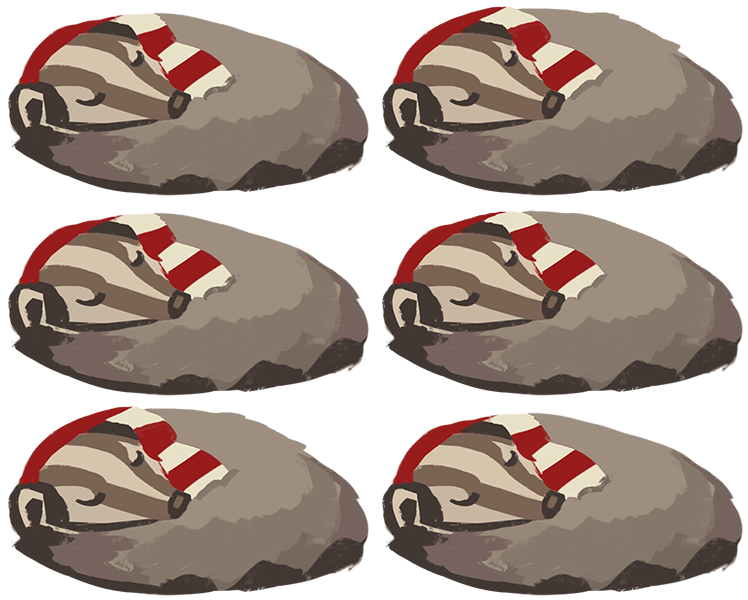
This was one of the findings that had us extra excited.Jo Wilder is a history game, but it’s also story based, with a quirky cast of characters, an adorable badger who gets kidnapped (badger-napped??), and plenty of mysteries to unravel. So we were thrilled to learn that many teachers used the game to teach reading skills. They leveraged the game as a fun, interactive text to teach decoding and reading comprehension. One teacher even used Jo Wilder to complement a district-mandated nonfiction curriculum.
Game as a content container
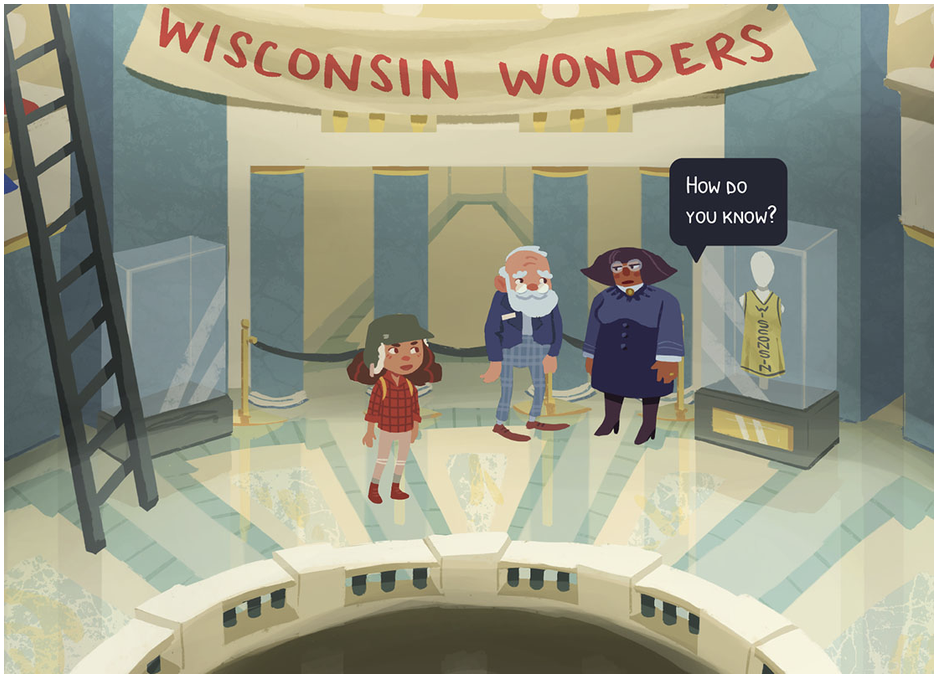
Here, we noticed a shift in how we presented the game and how teachers actually used it. Our goal was to go beyond the delivery of factual content and get kids engaged in the process of doing history—asking questions, following clues, and using the tools of real historians. So it was important to realize that some teachers primarily used the game to communicate its content. This makes sense. The game is full of fascinating material, like the history of the women’s suffrage movement and the first Earth Day. Teachers need to teach factual information, and Jo Wilder fills that need in a fun way. Because of this insight, we’ve made sure to align the content in our games with what educators need.
Game as a practice space
This is where our intention forJo Wilder shines through. Many teachers used *Jo Wilder *to help their students “think like a historian” and gain a deeper understanding of historical inquiry. As they played the game, kids used the practices of real historians, like asking questions, looking for clues in news articles and other primary sources, and arguing from evidence. The teachers supported this learning by calling out important gameplay moments, leading discussions, and helping their kids reflect on the skills they were using. One teacher even created a journal to guide students, inspired by Jo’s journal in the game.
Game as a model
This use case is a perfect example ofbridging—helping students connect in-game learning to the classroom and beyond. Teachers used examples and vocabulary from the game as their students worked on other assignments. One teacher had students bring in their own artifacts from home, and the kids used the skills they learned in *Jo Wilder *as they worked to interpret each artifact. A few classes even adopted a new motto: “What would Jo do?” They returned to this motto as they learned about new topics throughout the year, reminding them to be curious, ask thoughtful questions, and think like a historian.
Game as a launchpad
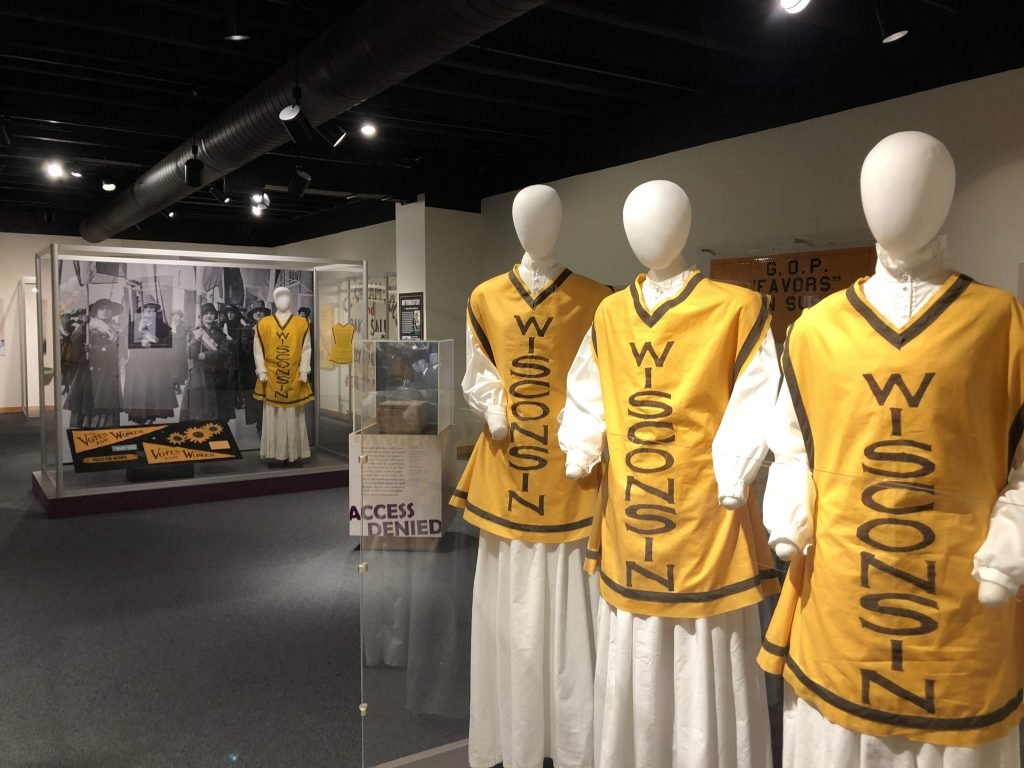
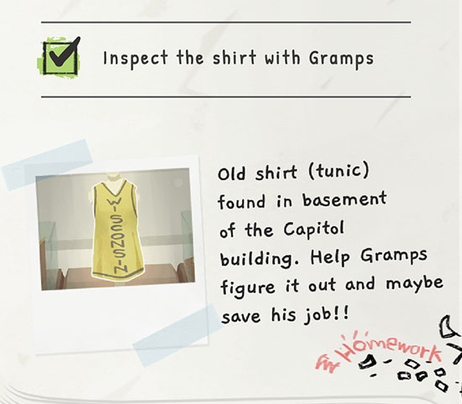
Games are even more exciting when you bring them off the screen and into the real world. Many teachers used*Jo Wilder *to inspire projects, activities, and field trips. One perfect example is the teacher mentioned above, who had his students interpret their own mystery artifacts. Other teachers planned units around the skills used in *Jo Wilder. *Some even took field trips to the Wisconsin State Capitol and the Historical Society. In the words of one of our fellows: “The students were all blown away when they found the actual artifact [from the game] on display in the Wisconsin Historical Society Museum!” The tour guides that day couldn’t get a word in as the kids all jumped in to explain the artifacts to them.
We were thrilled to get this behind-the-scenes look at how our games are being used. The categories above aren’t mutually exclusive—many teachers used at least two or three strategies. We’ll continue to use these insights to support teachers’ amazing work. If you’re a teacher using our games, we’d love to hear how you’ve used the games with your students. Reach out to us here, or leave a comment below!