
What Makes a Good Learning Game?
We brought together a panel of researchers, designers and educators to create the world's biggest library of free, online learning games.
For years, teachers have told us that they need a better way to track down good, effective learning games. That’s why our team of game designers and researchers created the Vault: our growing library of free online games that are all consistently, reliablygood.
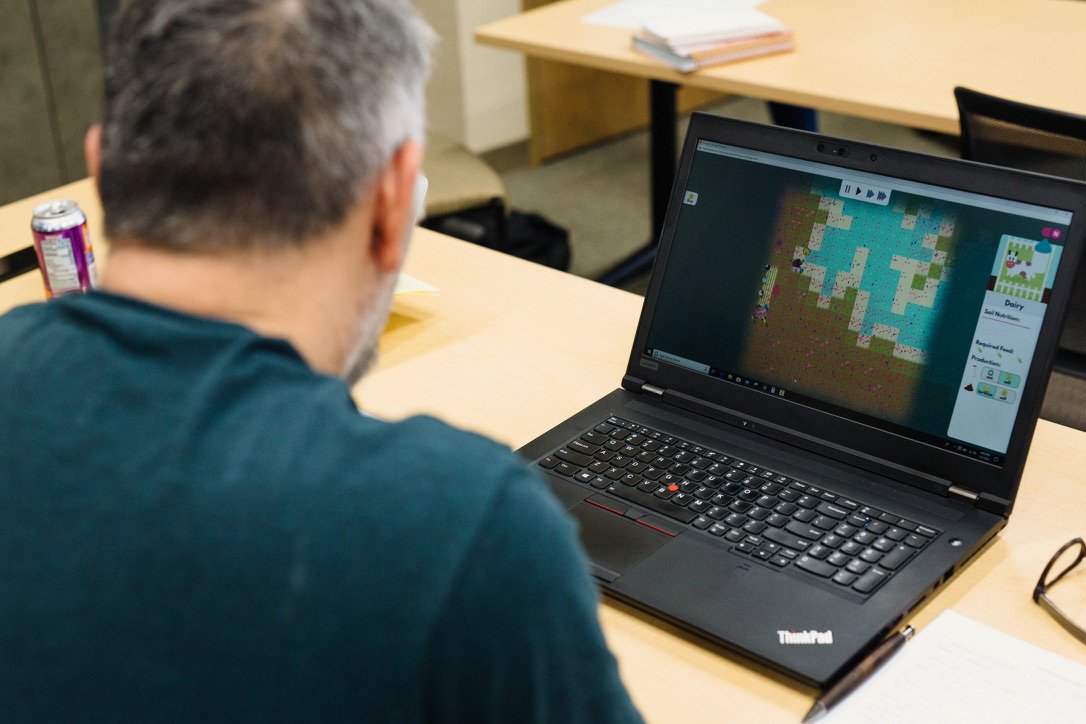
It might seem easy to do a quick Google search for games about middle school science, or middle elementary social studies. But even after you get past the sponsored links and A.I. slop, you still have to test each game to make sure it’s not broken, too big to run on Chromebooks, full of ads, or simply a waste of time.
I’m a writer who has helped to create several of Field Day’s award-winning learning games, includingLakeland and The Legend of the Lost Emerald. I’m also the parent of two kids in Wisconsin public schools. I’ve seen how hard teachers work to balance state requirements and kids’ unique needs and learning styles. Even if teachers had time to test out dozens of different learning games, they shouldn’t have to.

That’s where the Vault comes in—not just to share our Field Day games, but to be a one-stop shop for free, high quality learning games. Our team scoured the internet to put together a collection of free, standards-based, thoughtfully designed games. We want teachers to be able to trust everything in the Vault, so we vet each game and only include the ones that are a good fit for classrooms and actually work smoothly.

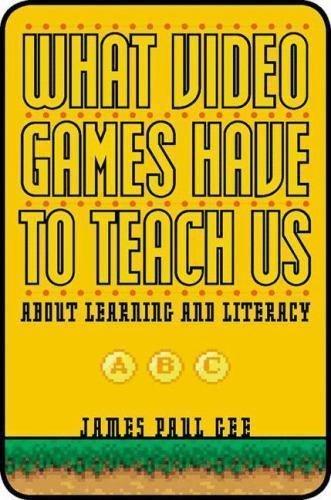
So how do we decide what to include? The short answer: lots of experience. The long answer: our team has been making, using, and researching learning games for over a decade. We’ve created a rubric based on the input of teachers and the work of James Paul Gee, one of the foremost experts in the field, who developed sixteen principles for effective learning games. And we’ve put together a panel of researchers, designers, and educators who judge each game based on these criteria. This is what we look for:
The Basics
Before we evaluate gameplay and design, we make sure each game meets the needs of a typical classroom:
- Free to play, with no ads or paywalls
- Aligned with academic standards
- Complete and not broken (this issue is more common than you might think)
- Playable online
- No required logins
- Fun and thoughtfully designed
Once we’ve made sure a game meets our basic standards, it can move on to round two:
The Ingredients of Good Learning Games
This is where we get into the depth and complexity of how games function as tools for learning, based on Jim Gee’s core principles. A few of the questions we consider:
- Do player activities and game content faithfully represent the subject?
- Do the player’s actions and point of view align with the activities and views of real professionals in the field?
- Is the game mechanic tied to learning objectives, and not just an arbitrary reward for taking a quiz or completing a task?
Great learning games can be vastly different in style and scope. Some of our favorites are short and sweet—think 2D mini games, like ourYard Games collection from Field Day. Other games are long and immersive, like Walden, a narrative-based walking game from USC Game Innovation Lab, where you explore Thoreau’s beautiful world at Walden Pond.
Follow along to learn about some of our favorite games and practical tips for using games in your classroom. And check out the Vault collection to browse 100+ free learning games!