
5 Ways Teachers Can “bridge” Learning from Games to the Classroom
Here are some ideas for tapping into kids’ hidden knowledge with bridging activities.
Learning games are an incredible tool for learning, but there’s another piece to the puzzle: how do we connect what students learn in games with what they’re able to put into words?
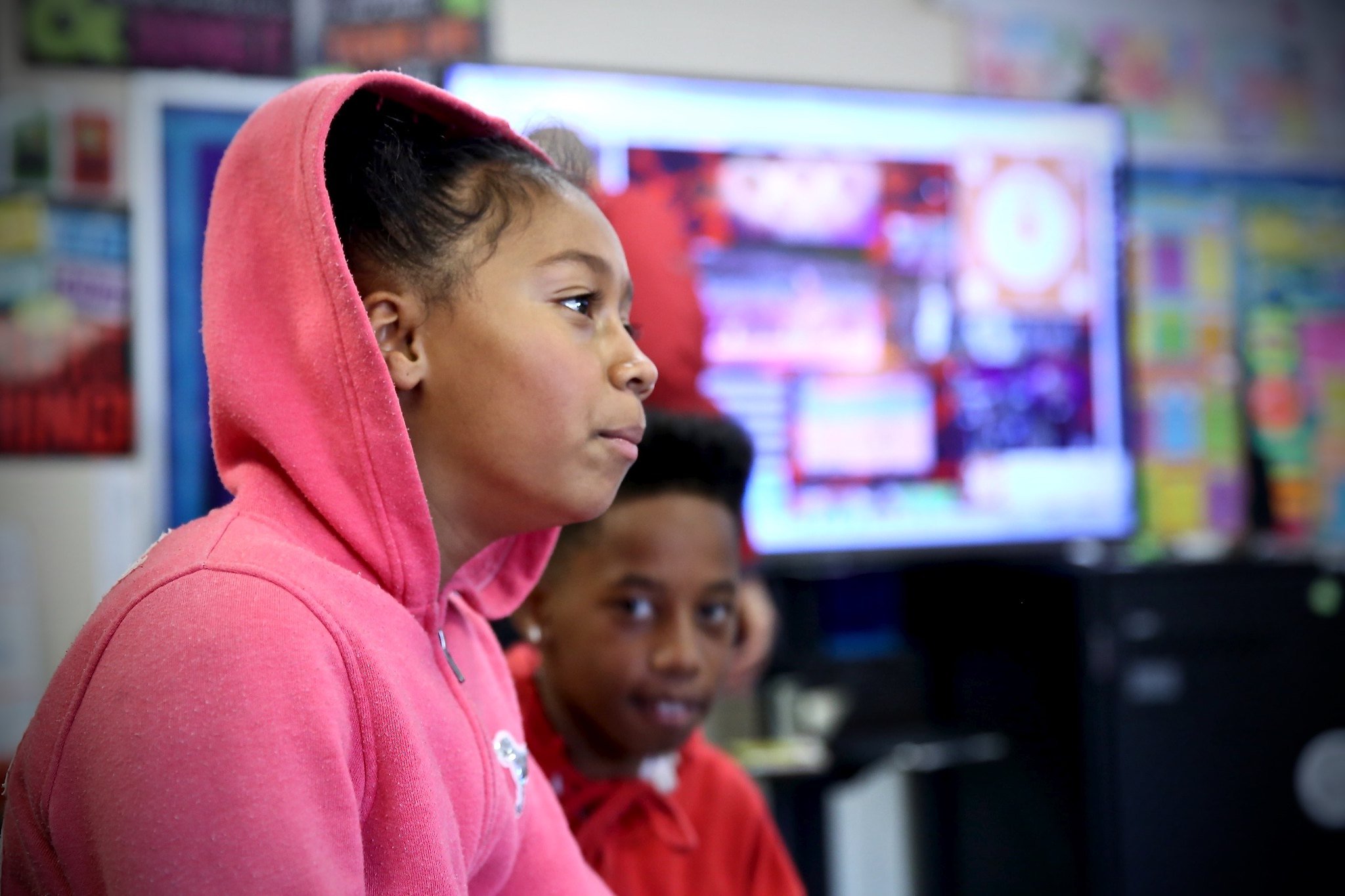
Games help kids show off and develop their implicit knowledge—what we might call instinct, or gut feeling. Parents and teachers see this in their kids all the time. My eight-year-old loves shooting baskets with his friends, even though he can’t describe the parabolic arc of the ball on its way to the net. And my eleven-year-old can find the perfect angles to score in air hockey, despite not having explicit knowledge of trigonometry or Newton’s laws of motion.
Learning games function in a similar way. Students bring what they already know to the game, and they learn new concepts in the game that, with the right support and scaffolding, they’re able to bring to the classroom and beyond. (Researchers call this**transfer in **and transfer out.)
This is where teachers come in. Games allow implicit knowledge to shine through, but kids need teachers to help them make connections and cultivate that more explicit, detailed knowledge. As researcher Jodi Asbell-Clarke puts it in her TED Talk,“We know more than we can tell. But that’s not how school works. School tests what we can tell.”

Explicit knowledge is important for writing essays and taking tests, but it’s more than that, too. The real world is more complex than the simplified world of games. Kids need explicit knowledge in order to express new ideas, contribute to classroom discussions, and develop as thinkers.
If you’re a teacher, you can support this learning with what Asbell-Clarke calls**bridging **activities. These activities are designed to help kids bring concepts from games into the classroom and beyond. Here are five practical bridging strategies to use with your students:
Use video clips to spark classroom discussion
Kids love watching game walkthroughs or following along with their favorite streamers. You can build off of that excitement by sharing gameplay clips in the classroom. Ask discussion questions, have students comment on the strategy the player is using, and ask how they might’ve done it differently. You can also pause the clip to talk through what’s happening. During these discussions, look for opportunities to use the specific, technical language of the topic, and connect this vocabulary with key gameplay moments. You can even have your kids record their own walkthroughs to share with the group.
Check in with kids as they play, and have them share their gameplay strategies
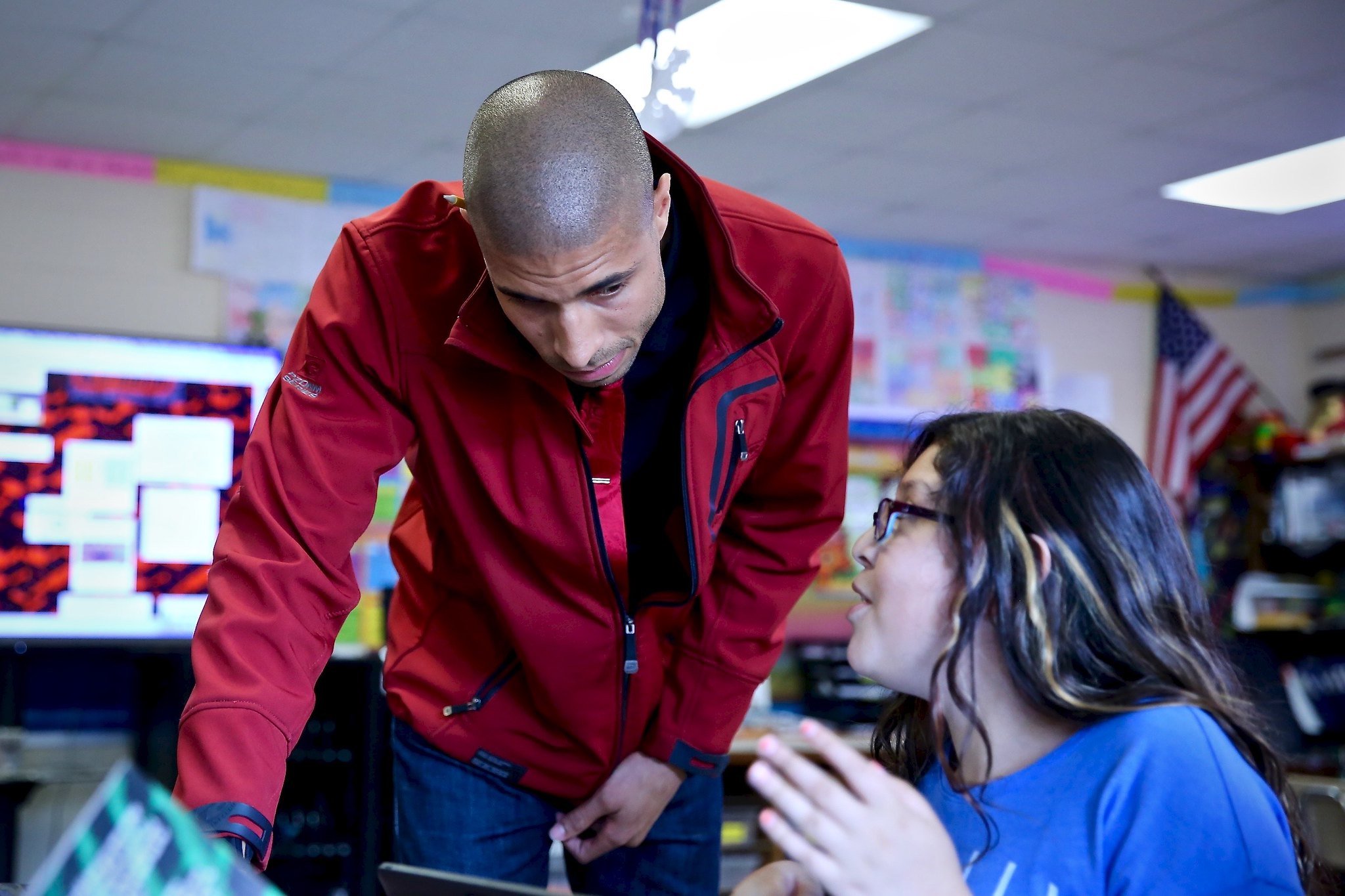
Gaming is one part of classroom learning where cheating and crosstalk isn’t always a bad thing. In fact, sometimes it’s encouraged. Have your kids share their strategies, and encourage them to work together to make it through tricky obstacles. As your students play, you can check in with them, ask questions, and give them hints to help them develop their thinking. If some kids are picking up on the game faster, you can pair them up with students who are struggling. The first student will deepen their explicit knowledge as they explain the game to someone else, and the other student will learn more if they don’t feel stuck or frustrated.
Physically act out puzzles from the game
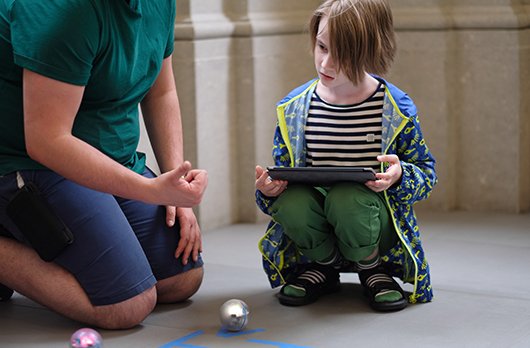
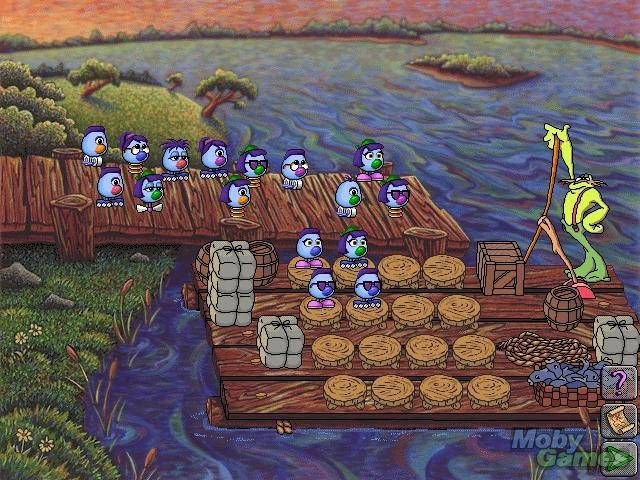
For some kids, concepts start to translate into explicit knowledge when those concepts are reinforced in a physical setting. Plus, it’s fun to shake things up and act out a game during class! For example, Asbell-Clarke and her colleagues created an award-winning puzzle game to introduce kids to computational thinking. In their list of possible bridging activities, they suggest having kids physically recreate the puzzles from the game, with the kids standing in as the littleZoombinis from the game and moving through tape squares on the floor. This allows kids to practice computational thinking by creating a physical, life-sized model of gameplay.
Use hands-on games and activities to reinforce gameplay concepts
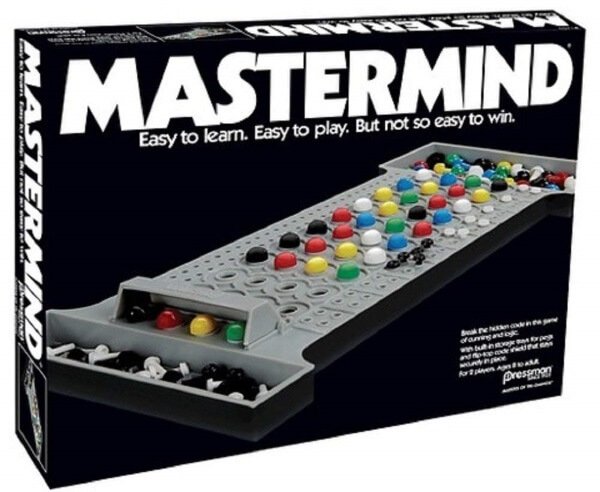
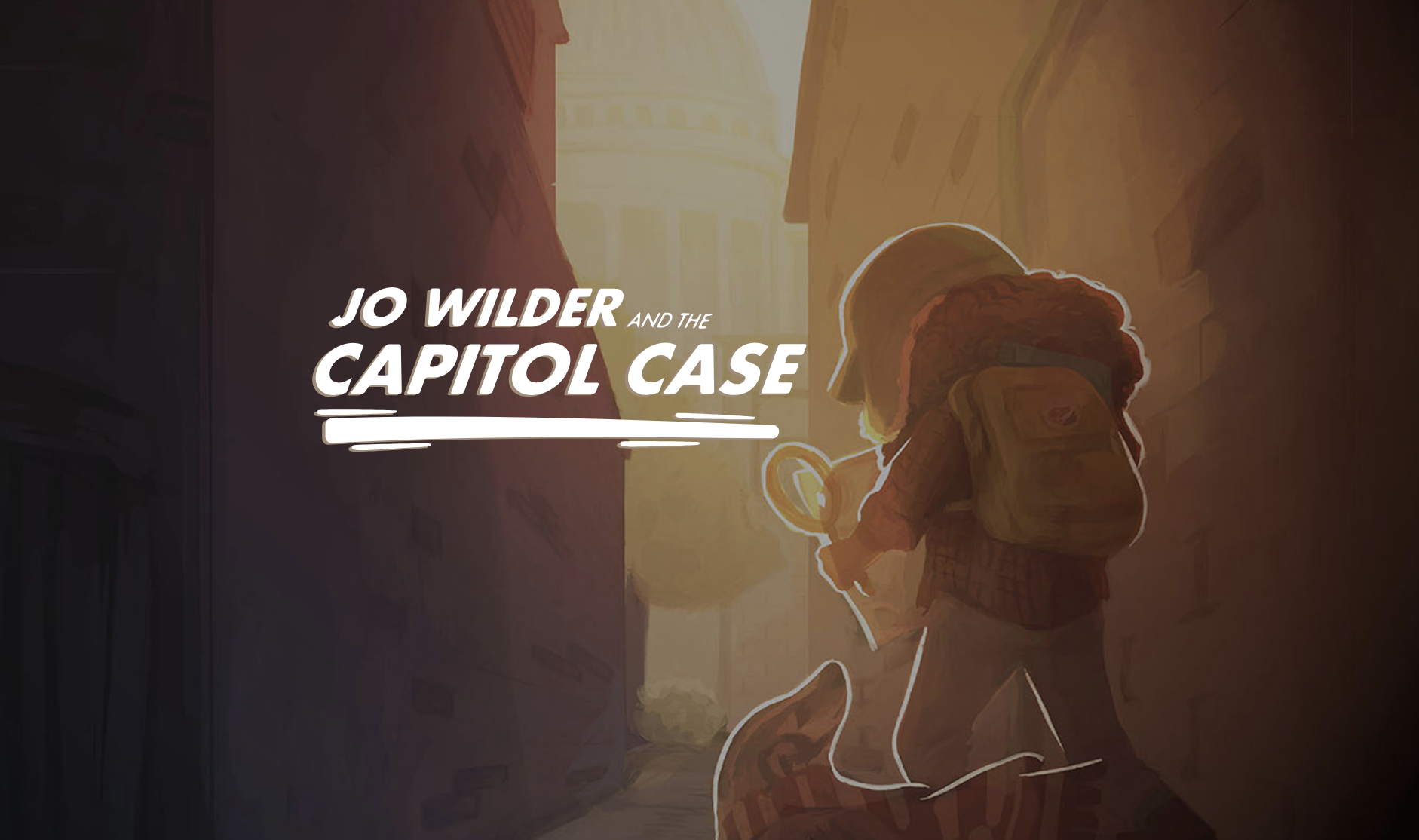
Most kids love hands-on activities and getting a break from routine, so this can be an amazing way to reinforce key concepts from the game. You can use board games or card games, hands-on activities, or anything else that brings gameplay concepts into the real world. For example, one teacher described how he created new curriculum activities based on our historical inquiry game,*Jo Wilder and the Capitol Case. *He had students bring “mystery artifacts” from home, and the students used the tools of historical inquiry to try to identify them. And Asbell-Clarke’s team suggests that students use games like Mastermind to practice the computational thinking in Zoombinis.
Bring vocabulary and concepts from the game to other classroom activities
An important part of explicit knowledge is understanding and getting comfortable with the vocabulary around a specific topic. You can support this learning by continuing to use the vocabulary from a learning game and bringing it to other classroom activities. For example, teachers who usedJo Wilder encouraged their kids to “think like a historian” throughout the school year, and even adopted a new classroom motto, “What would Jo do?” You can also put up vocabulary lists, charts and diagrams, or even gameplay illustrations and screenshots, to provide a visual reminder of what kids have learned.
These bridging strategies can be adapted to work for most learning games. And many online games—including our collection of free games at the Vault—includeteacher guides with specific bridging activities to use with your students.